

Customers First Insurance Group: practical insurance guidance • format updated August 2026
Insurance education • Michigan independent agency
Recreational Vehicle Insurance: Homeowners or Separate Policy?
Recreational vehicle insurance can differ sharply from a homeowners endorsement.
The Short Answer
Use a separate recreational vehicle policy when the vehicle leaves your property, carries passengers, has substantial value, is financed, is used frequently, or needs specialized protection. Consider a homeowners endorsement only after reviewing the exact endorsement, definitions, exclusions, territory, limits, deductibles, and loss-settlement language.
A lower premium is useful only when the coverage follows the way you actually use the vehicle.
Off-Premises Use
Drivers & Passengers
Vehicle & Equipment
Claims Consequences
What a Homeowners Endorsement May Cover
Some insurers let you add a qualifying recreational vehicle to a homeowners policy by endorsement. This can be economical and convenient, especially for a low-value item used mainly at the insured residence. However, “listed on the policy” does not automatically mean broad protection everywhere.
The endorsement may provide some combination of liability, medical payments to others, and physical damage. It can also contain restrictions based on vehicle type, horsepower, speed, size, value, ownership, location, or use. Some coverage may apply only on the residence premises or on land you own or rent.
Do not rely on the declarations page alone. The answer can sit across the base homeowners form, definitions, exclusions, and endorsement. Michigan DIFS reminds consumers that insurance policies are contracts whose sections contain different limitations and conditions. Its current homeowners insurance consumer portal is a useful starting point.
For boats specifically, also read our detailed guide to insuring a boat on a homeowners policy.
Possible Advantages of an Endorsement
- Potentially lower premium
- One policy and renewal date
- May fit a low-value, limited-use item
- Can be sufficient when the wording matches your use
Possible Gaps to Investigate
- No or limited off-premises liability
- Low physical-damage or accessory limits
- No agreed-value option
- Restrictions on operators, speed, size, or use
- Limited medical protection
- A claim affects the homeowners policy’s history
What a Separate Recreational Vehicle Insurance Policy Can Add
A standalone policy is designed around a particular kind of vehicle and how it is used. Available coverage varies by carrier and product, but a policy may offer:
- Liability coverage for covered bodily injury or property damage claims.
- Collision and other-than-collision coverage for damage to the insured vehicle.
- Uninsured or underinsured motorist-type protection where offered for that product.
- Medical payments or other participant injury benefits, subject to the form.
- Agreed value, stated amount, replacement cost, or actual cash value settlement options.
- Accessory and custom-equipment coverage for items such as electronics, winches, plows, fishing equipment, awnings, or upgraded wheels.
- Roadside assistance, towing, emergency expense, wreck removal, or trip interruption when offered.
- Specialized boat coverages such as fuel-spill liability, salvage, trailer coverage, or fishing equipment.
These features are not automatic. Compare the proposal with the form and endorsements. If you are deciding how much medical protection to buy for a boat or ATV, see our article on medical payments coverage for boat and ATV owners.
The Best Policy Depends on the Vehicle
The label “RV” can mean a motorhome or camper, while “recreational vehicle” can also describe boats, ATVs, UTVs, snowmobiles, dirt bikes, and golf carts. Those risks do not belong on one generic form.
Motorhomes, Travel Trailers & Campers
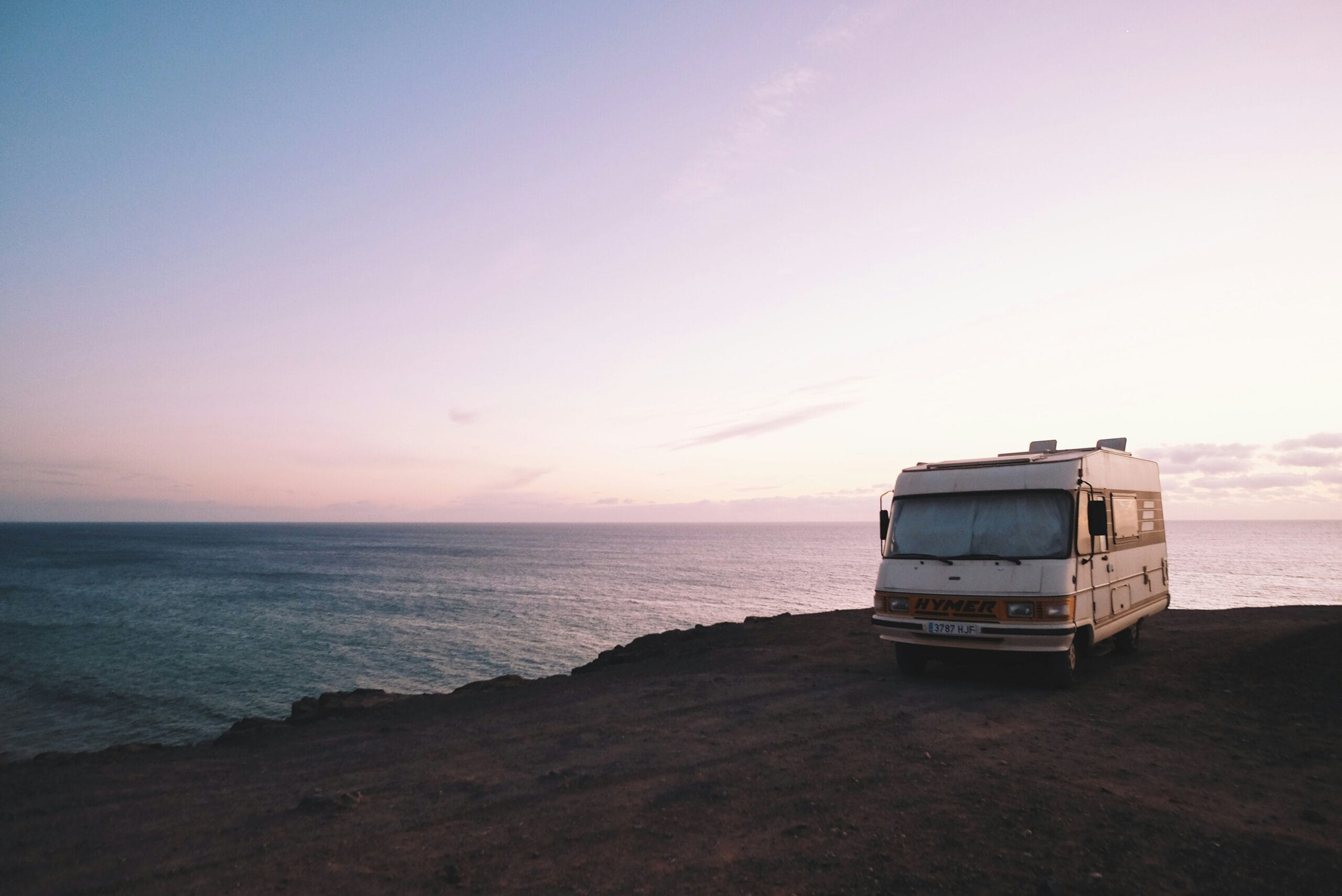
Motorhomes generally need vehicle-specific insurance. Towable campers may have limited protection through the towing vehicle or homeowners policy, but those policies may not cover the trailer itself in every loss or provide campsite liability, personal effects, emergency expense, or replacement-cost options.
Review our insurance questions to ask before buying an RV or camper.
Boats & Personal Watercraft
Small watercraft may qualify for limited homeowners coverage, while faster, larger, or higher-value boats and personal watercraft usually need a boat policy. Check navigation territory, especially for Great Lakes use, as well as lay-up periods, freezing damage, trailer protection, accessories, fuel-spill liability, salvage, and loss settlement.
ATVs, UTVs & Dirt Bikes
Trail riding, dunes, public roads where permitted, youth operators, passengers, plows, winches, and custom equipment can change the risk. Confirm the territory and permitted use. If an ORV is converted and registered for on-road use in Michigan, separate motor-vehicle insurance requirements apply.
Snowmobiles & Golf Carts
Snowmobile policies can address trail use, collision, theft, transport, liability, and accessories. Golf-cart coverage depends heavily on whether the cart stays on your premises, operates in a permitted community, is driven on public roads, or has been modified. Ask the carrier to confirm your exact use in writing.
Nine Questions to Ask Before Choosing Coverage
- Where will it be used? Your yard, private land, public trails, campgrounds, inland lakes, the Great Lakes, streets, or out of state?
- Who will operate it? Household members, children, guests, permissive users, or renters?
- What is the liability limit? Is it enough to protect your assets and coordinate with a personal umbrella?
- Is physical damage included? Which causes of loss are covered, and what deductible applies?
- How is a total loss settled? Agreed value, replacement cost, stated amount, or actual cash value?
- Are passengers or household members protected? Medical payments commonly apply differently from health, auto PIP, or uninsured motorist coverage.
- Are the trailer and accessories covered? Do not assume attached equipment, loose gear, safety clothing, electronics, or personal property share the vehicle limit.
- What uses are excluded? Racing, speed contests, rental, business use, organized events, unapproved roads, or operation outside a territory may be restricted.
- What happens during storage? Theft, fire, freezing, vermin, battery damage, and winterization failures can be treated differently.
If you carry an umbrella, confirm that the recreational vehicle is scheduled when required and that its underlying liability limit meets the umbrella carrier’s rules. Our Michigan personal umbrella guide explains why that coordination matters.
Michigan Registration Rules Are Separate From Insurance
A title, registration, trail permit, safety certificate, or access pass does not create insurance coverage. Likewise, having insurance does not replace Michigan’s operating requirements.
- The Michigan Secretary of State recreational vehicles and watercraft page explains title and registration rules and notes that an ORV converted for on-road use must be registered and insured for that use.
- The Michigan DNR ORV permit guide explains where an ORV license and trail permit are required.
- The Michigan DNR snowmobile permit guide covers registration and trail-permit requirements for public-land use.
- The Michigan DNR boating rules page summarizes watercraft registration and operating requirements.
Rules can change, and local ordinances may add restrictions. Verify the current requirements before operating the vehicle.
Recreational Vehicle Insurance FAQs
Does homeowners insurance automatically cover an ATV or snowmobile?
Not automatically in every situation. A policy may exclude motor vehicles, provide narrow premises-based protection, or require a specific endorsement. Confirm liability, physical damage, territory, operators, and use with the actual policy wording.
Does auto insurance cover a travel trailer?
The towing vehicle’s liability coverage may extend in some situations, but that does not mean the trailer itself, its contents, campsite liability, roadside expenses, or every type of damage is covered. A separate RV or travel-trailer policy can address those gaps.
Is a separate policy always more expensive?
It may cost more than a limited endorsement, but pricing depends on the vehicle, value, use, limits, deductibles, operators, storage, claim history, and discounts. Compare equivalent coverage instead of premium alone.
Will a recreational vehicle claim affect my homeowners policy?
If the claim is made under the homeowners policy, it becomes part of that policy’s claim history and may be considered in future underwriting or pricing. A separate policy keeps the recreational vehicle insured under its own contract, though carriers may still consider broader claim history when permitted.
Do I need recreational vehicle insurance if the vehicle is paid off?
A lender may no longer require physical-damage coverage, but you still face loss to the vehicle and liability to other people. Legal requirements and operating rules also depend on the vehicle and how it is used.
Compare the Policy, Not Just the Price
Customers First Insurance Group can compare the homeowners endorsement with a separate recreational vehicle policy and explain the tradeoffs in plain language. Bring the year, make, model, value, accessories, storage location, and intended use.
Reviewed by Michael Vereecke, CLCS
President of Customers First Insurance Group and a licensed Michigan property and casualty insurance professional since 2009.
This article provides general educational information, not a coverage determination or legal advice. Policy language, eligibility, limits, and availability vary by insurer. Your declarations, policy form, endorsements, and applicable law control.
Have questions about your coverage?
Customers First Insurance Group can help you review the details, compare options, and make an informed insurance decision without pressure.
Customers First Insurance Group. This article provides general educational information, not legal advice or a coverage determination. Coverage, eligibility, pricing, and claim outcomes vary by policy, insurer, facts, and applicable law. Read your policy and consult a licensed insurance professional about your situation.