

Insurance education • Michigan independent agency
Dirt, Sand and Gravel Trucking Insurance: Coverage That Matters
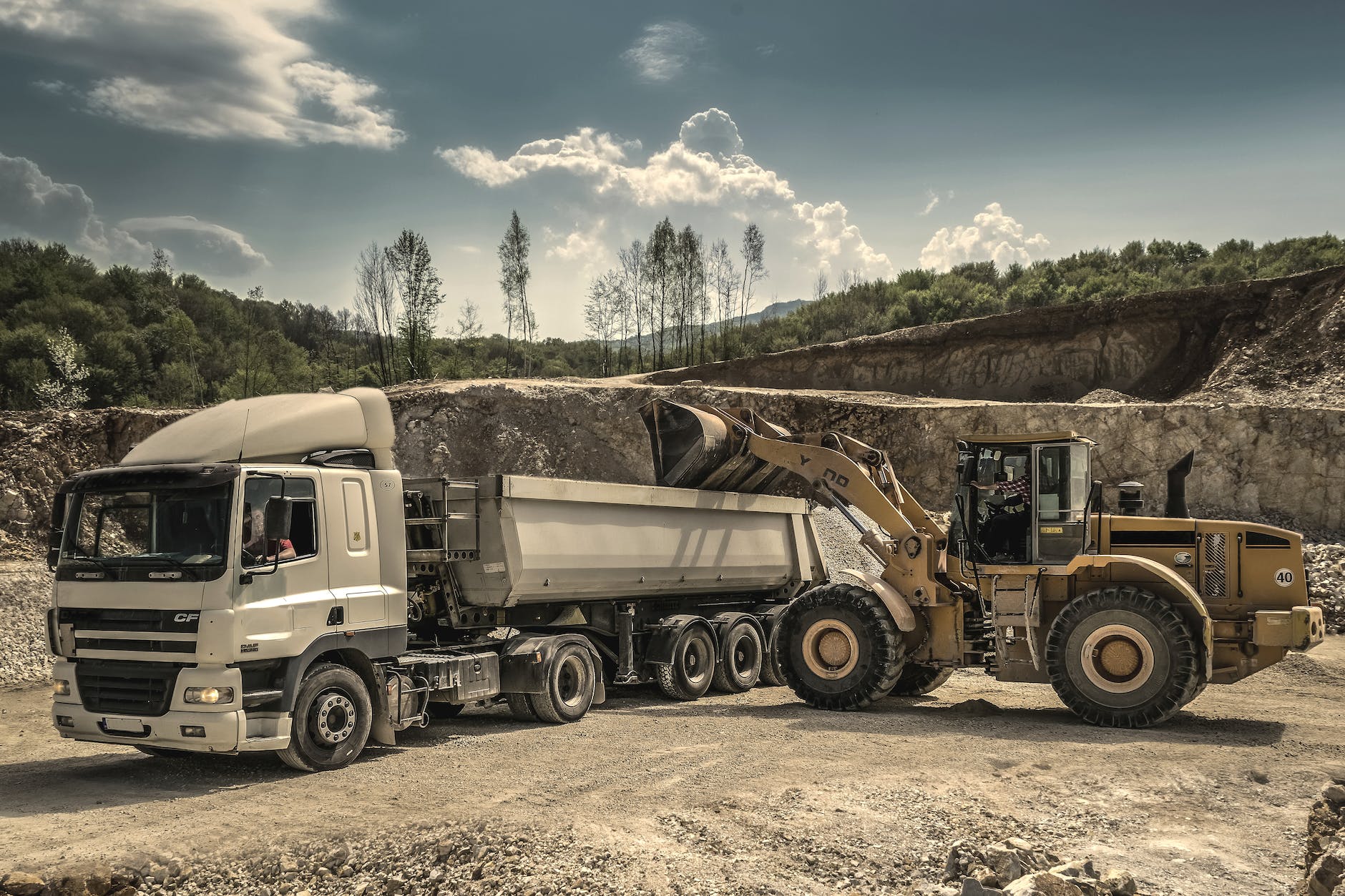
Dirt, sand and gravel trucking insurance needs to account for heavy trucks, dump operations, changing job sites, cargo responsibilities, and the serious liability that comes with putting large vehicles on the road every day.
Heavy auto liability
Dump-body exposures
Cargo responsibility varies
Job-site risk matters
Dirt, sand and gravel trucking insurance: the short answer
A dump-trucking operation usually needs more than a generic commercial auto policy. The insurance program may need commercial auto liability, physical damage, motor truck cargo when the business is responsible for property belonging to others, general liability for non-auto operations, workers’ compensation, and possibly umbrella or excess liability. The right structure depends on whether the company is for-hire or private, where it operates, what it hauls, who owns the material, truck values, drivers, contracts, and federal or state filing requirements.
Why Dirt, Sand and Gravel Trucking Insurance Matters
Dirt, sand, and gravel hauling looks straightforward from the outside: load the truck, move the material, dump it, and repeat. From an insurance standpoint, however, it combines some of the more difficult commercial-auto exposures. The trucks are heavy, often operate on congested roads and changing job sites, back frequently, carry loose material, and may spend part of the day on uneven ground.
A standard delivery-truck classification may not properly describe that operation. The carrier needs to understand what the trucks are doing, what material is hauled, whether the company operates for hire, how far it travels, where trucks are garaged, how drivers are selected, and whether the business crosses state lines. A classification or radius that does not match the real operation can become a serious underwriting problem.
There is also a difference between meeting a regulatory minimum and choosing enough insurance to protect the business. For certain for-hire interstate property carriers operating vehicles with a GVWR of 10,001 pounds or more, federal rules currently require at least $750,000 of public-liability financial responsibility for nonhazardous property. Contracts, customers, brokers, or the severity of the operation may call for higher limits.
At Customers First Insurance Group, we look beyond the certificate. A dump-trucking account should be reviewed as an operating business: vehicles, trailers, drivers, cargo responsibility, general liability, workers’ compensation, equipment, contracts, filings, and umbrella protection should work together rather than being quoted as unrelated policies.
A cheap trucking policy can become expensive when the operation was described incorrectly
Commercial truck insurance is highly sensitive to classification. If the policy was written for a different commodity, radius, use, or business model, the problem may not become obvious until an audit, renewal, inspection, or claim. Accuracy at the beginning matters.
Core Coverages for Dump Trucking Operations
Commercial auto liability
This is the foundation for covered bodily injury and property damage arising from the use of insured commercial vehicles. Because dump trucks can cause severe losses, liability limits should be reviewed around both regulatory requirements and realistic claim severity.
Physical damage
Collision and comprehensive coverage can protect the insured trucks themselves, subject to deductibles and policy terms. Truck values, permanently attached equipment, dump bodies, and financed equipment should be accurately scheduled.
Motor truck cargo
Motor truck cargo coverage may protect property of others that a for-hire carrier is responsible for while transporting it. Not every dirt, sand, or gravel hauler needs cargo coverage in the same way. If the trucking company owns the material it is delivering, the exposure can be different from hauling a customer’s property.
General liability
General liability insurance can address certain non-auto third-party bodily injury and property-damage exposures arising from business operations. It should not be confused with auto liability.
Workers’ compensation
Drivers and other employees can be injured climbing into trucks, securing loads, working around moving equipment, or operating at job sites. Workers’ compensation requirements and eligibility should be reviewed based on the company’s actual employment structure.
Commercial umbrella or excess liability
Higher liability limits may be appropriate for severe auto and general-liability exposures. Confirm which underlying policies are scheduled and how the excess form treats auto, general liability, and any other relevant coverage.
The Exposures That Make Dump Trucking Different
Raised dump bodies
A driver can move before the body is fully lowered or contact overhead structures, lines, trees, or equipment. Written dumping procedures and driver training matter.
Rollover while dumping
Uneven ground, an unbalanced or frozen load, soft shoulders, or improper positioning can create rollover risk while the bed is raised.
Loose material and falling loads
Material leaving the truck can damage vehicles or create roadway hazards. Load securement and tarp procedures should match the materials hauled and applicable requirements.
Backing and job-site congestion
Dump trucks often work around loaders, excavators, contractors, pedestrians, and other vehicles. Backup cameras, spotter procedures, mirrors, lighting, and job-site communication can reduce avoidable losses.
Changing terrain
Quarries, gravel pits, construction sites, and undeveloped properties can involve soft ground, steep grades, narrow access, mud, and other conditions that differ from normal paved-road driving.
Federal Insurance Requirements Can Apply
If the trucking operation is subject to federal motor-carrier rules, required financial-responsibility limits and filings depend on the type of carrier, vehicle weight, commodity, and operation. FMCSA currently lists a $750,000 BIPD requirement for for-hire nonhazardous property carriers using vehicles with a GVWR of 10,001 pounds or more, with higher requirements for certain hazardous materials.
Federal requirements do not necessarily determine the limit a customer, broker, shipper, or contract will require. Many businesses choose or are required to carry $1 million or more even when a lower regulatory minimum applies.
For current federal requirements, review the FMCSA insurance filing requirements.
Do Dirt, Sand and Gravel Haulers Need Cargo Insurance?
Sometimes. The answer depends heavily on who owns the material and what contractual responsibility the trucking company has for it.
If you are hired to transport property owned by someone else, motor truck cargo insurance may be important. If you buy the material, own it during transit, and sell it to the customer at delivery, your property exposure may be structured differently. Some contracts still require cargo insurance regardless.
Also review exclusions and limitations for commodities, unattended vehicles, tarping, dumping, loading and unloading, and debris-removal expenses. A cargo limit that looks adequate in dollars can still be ineffective if the policy does not fit the actual commodity or operation.
What Trucking Insurers Will Want to Know
- Exact commodities hauled.
- Whether operations are for-hire, private, or both.
- Typical and maximum operating radius.
- Interstate versus intrastate operations.
- Truck, trailer, and equipment values.
- Driver age, experience, MVR history, and hiring standards.
- Years in business and prior loss history.
- Annual mileage, revenue, and number of units.
- Where vehicles are garaged.
- Whether operations include quarries, pits, construction sites, or other off-road locations.
- Contracts, required filings, and certificate requirements.
Providing accurate information up front usually makes the quoting process more efficient and reduces the risk that the final policy is built around the wrong operation.
Dirt, Sand and Gravel Trucking Insurance FAQs
What insurance does a dump truck business need?
Common coverages include commercial auto liability, physical damage, general liability, workers’ compensation when applicable, motor truck cargo when the business is responsible for others’ property, and possibly umbrella or excess liability. The exact program depends on the operation.
Is $750,000 enough liability insurance for a dump truck?
$750,000 is a federal minimum for certain for-hire interstate nonhazardous property carriers using vehicles with a GVWR of 10,001 pounds or more. It is not a recommendation for every operation. Contracts and realistic claim severity may support a higher limit.
Do I need motor truck cargo for gravel?
It depends on who owns the gravel and your contractual responsibility while hauling it. A for-hire carrier hauling a customer’s material has a different cargo exposure from a business delivering material it owns and sells.
Does general liability replace truck liability?
No. Commercial auto liability and general liability address different exposures. Auto liability is central to covered accidents involving insured vehicles, while general liability can address certain non-auto business operations.
Does dump truck insurance cover the dump body?
It can, but the vehicle and permanently attached equipment need to be correctly valued and scheduled. Confirm how the carrier values specialized bodies and attached equipment before a loss.
Why is dump truck insurance expensive?
Pricing can reflect truck size and value, driver history, operating radius, commodities, job-site exposure, loss history, annual mileage, location, filings, and the severity potential of commercial-auto claims.
Insure the Operation You Actually Run
Customers First Insurance Group helps Michigan trucking businesses review vehicles, drivers, commodities, radius, filings, cargo responsibility, liability limits, and related business coverages before comparing the premium.
Customers First Insurance Group. This article provides general educational information, not legal advice or a coverage determination. Motor-carrier rules, filing requirements, contracts, coverage, eligibility, pricing, and claim outcomes vary by operation, jurisdiction, insurer, and policy. Confirm regulatory requirements with the appropriate agency and review your insurance with a licensed professional.