

Customers First Insurance Group: practical insurance guidance • format updated August 2026
Insurance education • Michigan independent agency
Climate Change and Insurance: What Policyholders Need to Know
Climate change and insurance are increasingly connected.
More severe losses
Higher rebuilding costs
Coverage can change
Preparation matters
The short answer
Changing weather losses can influence insurance pricing, deductibles, underwriting, and availability, but the effect on a particular policy depends on the insurer and property. Check your wind and hail terms and replacement cost; surface-water flooding generally requires separate flood coverage.
How Climate Change and Insurance Are Connected
\n
Climate change and insurance trends matter because insurance has always been about measuring risk. Today, climate change and insurance decisions are more closely connected because weather patterns, rebuilding costs, and loss trends continue to shift. Therefore, insurers adjust how they price policies, inspect properties, set deductibles, and determine which risks they are willing to insure.
More frequent and severe weather losses
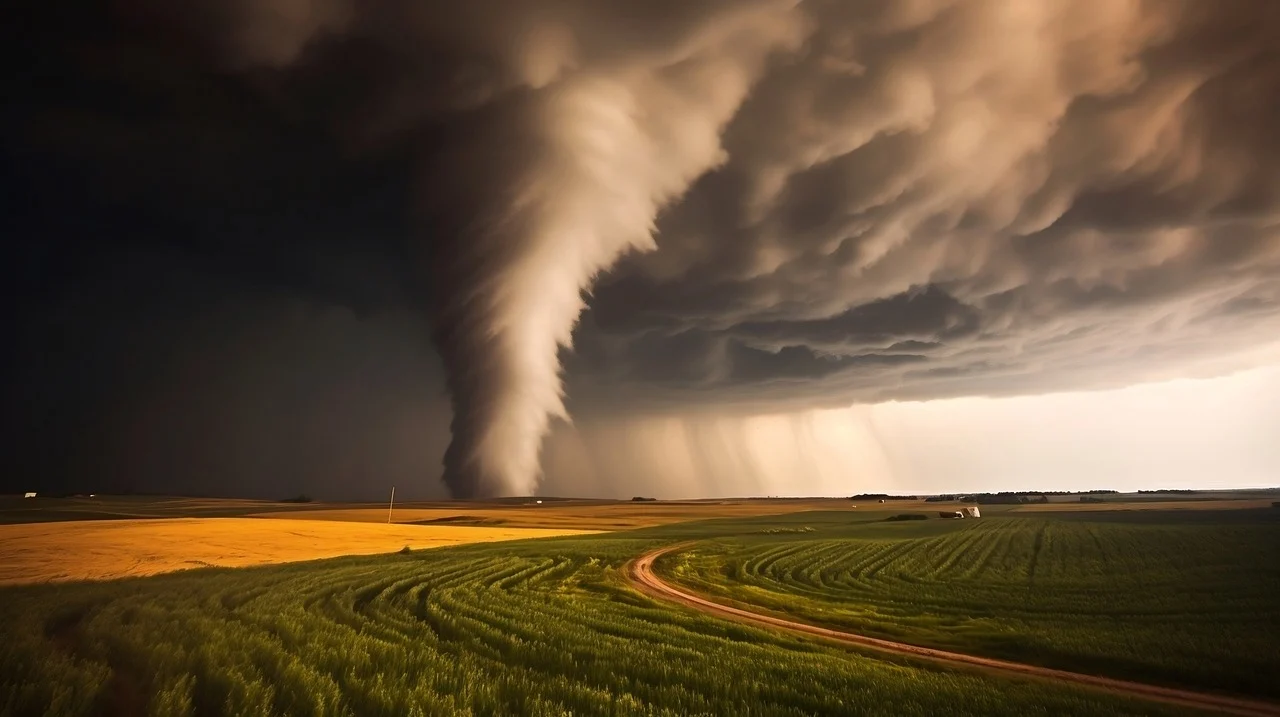
Hurricanes, wildfires, floods, heat waves, hail, and heavy rainfall can create more claims and larger losses. In fact, NOAA explains how insurers use current weather and climate data to assess risk, evaluate trends, and improve catastrophe models. As a result, when many properties are damaged at once, repair crews and materials may also become more expensive.
Climate Change and Insurance Costs
For example, climate change and insurance costs can meet at the rebuilding stage. For instance, a policy limit that was adequate several years ago may not be enough to rebuild today. In addition, construction inflation, updated building codes, debris removal, and demand after a catastrophe can all affect the final cost.
Climate Change and Insurance: Flood and Water Risk
Importantly, flood damage is generally not covered by a standard homeowners policy. FEMA provides information about flood insurance and the National Flood Insurance Program. For that reason, separate flood coverage may be worth discussing, depending on the property and location. However, water backup, sewer backup, and surface-water flooding are different coverage questions.
Climate Change and Insurance Coverage Availability
Consequently, in areas with repeated catastrophic losses, some insurers may tighten underwriting, limit new business, require mitigation, or stop offering certain policies. Therefore, homeowners may have fewer choices or need to consider specialty or government-backed programs.
Review Your Replacement Cost
Know Your Deductibles
Ask About Water Coverage
Document Your Property
What Policyholders Can Do Now
1. Review Climate Change and Insurance Risks
For climate change and insurance planning, start with the policy itself. To begin, check limits, deductibles, exclusions, endorsements, and whether you have replacement cost coverage. Above all, do not wait until after a claim to learn how the policy works.
2. Understand Local Climate Change and Insurance Risks
Next, consider local exposure to wind, hail, flooding, wildfire, freezing, falling trees, and extended power outages. For instance, your risks may be different from those in another part of the country—or even another part of Michigan. For current forecasts and official watches or warnings, check the National Weather Service. You can also use The Weather Channel for local forecasts, radar, and storm tracking.
3. Make practical improvements
In addition, roof maintenance, proper drainage, sump-pump backup systems, trimmed trees, updated electrical systems, water shutoff devices, and other protective measures can reduce the chance or severity of a loss. Also, ask your agent whether any improvements may qualify for discounts.
4. Compare coverage, not only price
However, a lower premium may come with a higher deductible, narrower coverage, or a less favorable settlement provision. Instead, compare how each policy would respond to the losses you are most concerned about.
5. Work with an independent agent
Finally, learn more about why Customers First chose the independent agency model. Moreover, an independent agency can compare multiple carriers and help explain differences that may not be obvious on a quote. If one insurer changes its appetite, however, your agent may have other options to explore.
Climate Change and Insurance FAQs
Does homeowners insurance cover flooding?
In general, standard homeowners insurance does not cover flood damage. Instead, flood insurance is typically purchased separately.
Will climate-related risk automatically raise my premium?
In short, climate change and insurance pricing are connected, but the effect is not automatic for every policyholder. Instead, premiums depend on many factors, including location, property characteristics, claims trends, rebuilding costs, coverage choices, deductibles, and the insurer’s pricing model.
Can home improvements reduce my premium?
Sometimes. Even so, discounts and underwriting credits vary by insurer. For example, roof updates, protective devices, backup systems, and other mitigation may help, but confirm eligibility before assuming an improvement will lower your rate.
What climate change and insurance issues should I review at renewal?
Specifically, review replacement-cost estimates, policy limits, deductibles, water and flood coverage, roof settlement terms, exclusions, and any changes noted in your renewal documents.
What if my current insurer will not renew my policy?
Most importantly, contact an independent agent promptly. As a result, the more time available before the expiration date, the easier it may be to compare alternatives and address inspection or documentation requirements.
Make Sure Your Coverage Still Fits the Risk
Finally, Customers First Insurance Group can help you review your current policy, compare available options, and understand the tradeoffs before you make a change.
Michael Vereecke
Agent/President, Customers First Insurance Group
586-221-6870
Have questions about your coverage?
Customers First Insurance Group can help you review the details, compare options, and make an informed insurance decision without pressure.
Customers First Insurance Group. This article provides general educational information, not legal advice or a coverage determination. Coverage, eligibility, pricing, and claim outcomes vary by policy, insurer, facts, and applicable law. Read your policy and consult a licensed insurance professional about your situation.