
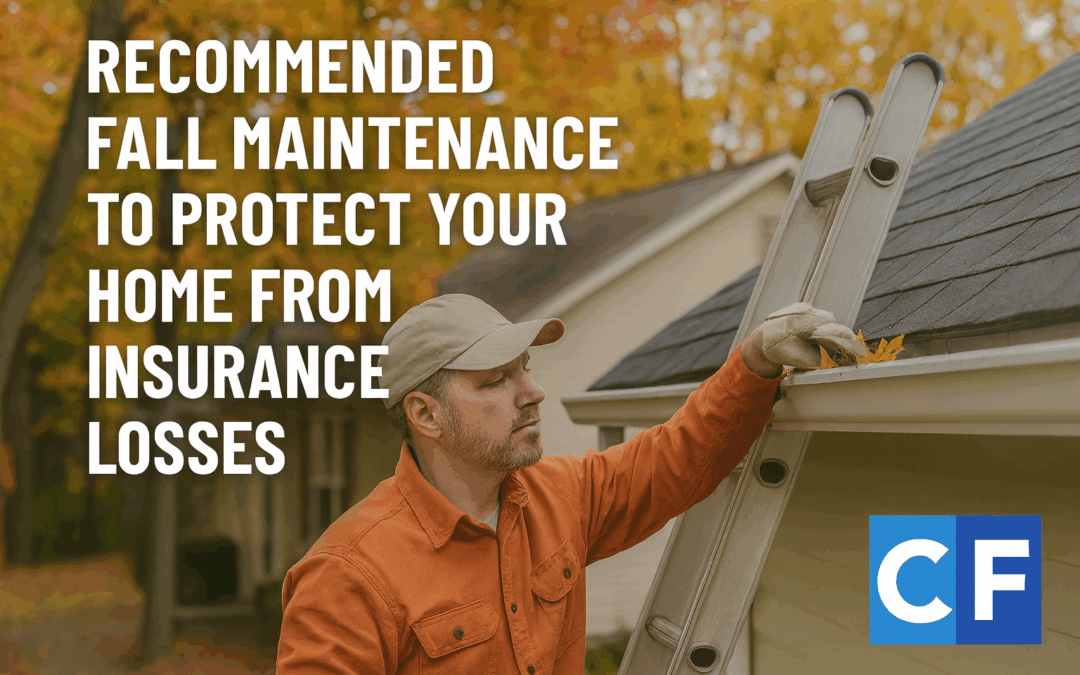
Seasonal home care • Michigan
Fall Home Maintenance Tips to Prevent Insurance Claims
Seven practical checks before freezing weather reaches your home.
Move water away
Watch the roof
Prepare for freezes
Review coverage
The short answer
Before Michigan’s first hard freeze, clean gutters, inspect the roof, service heat sources, disconnect hoses, winterize exterior water lines, trim vulnerable branches and review your homeowners policy. Maintenance lowers risk but does not guarantee a claim will be covered.
Why It Matters
Autumn is a useful window to fix small problems before snow, ice and repeated freeze-thaw cycles make them harder to reach. Overflowing gutters can direct water toward a basement. A loose shingle can worsen in a windstorm. A connected hose can contribute to a frozen exterior pipe. Avoiding damage also saves the time and disruption of a claim, even when insurance responds.
Coverage depends on the cause, policy wording and maintenance history. Flooding, sewer or sump backup, gradual seepage and ordinary wear are treated differently. A seasonal inspection gives you a chance to prevent trouble and clarify gaps before winter.
Keep Water Moving Away from the House
Clean gutters and downspouts
Remove leaves safely, flush downspouts and make sure discharge flows away from the foundation without creating a hazard for neighbors. Consider a qualified contractor for high or steep roofs. Gutter guards still need inspection.
Check the roof and drainage
Look from the ground for missing or cracked shingles, damaged flashing and clogged roof valleys. A licensed roofer can assess suspicious areas. Clear yard drains and window wells so melting snow has a route away from the house. Do not climb onto an icy roof.
Prepare Heat, Water and Trees
Service heating and chimney systems
Follow manufacturer maintenance schedules, replace filters, test smoke and carbon monoxide alarms and arrange a chimney inspection or cleaning when appropriate. The U.S. Fire Administration heating safety guidance offers additional precautions.
Winterize exterior lines
Disconnect and drain garden hoses. Shut off and drain exterior faucets and irrigation lines when the system requires it. Know where the main water shutoff is; insulate exposed pipes according to local conditions.
Trim branches and seal gaps
Ask a qualified arborist to address limbs near structures or power lines; contact the utility for line hazards. Seal gaps around windows and doors, while maintaining required ventilation. Weatherstripping improves comfort but cannot substitute for repairing an active leak.
Review the Insurance Side
Read your declarations and endorsements for wind or hail deductibles, roof valuation, water backup limits, service line coverage and additional living expense. Ask about separate flood insurance for surface water; standard homeowners insurance generally excludes flood. Document repairs and keep photos and receipts.
Our guides explain flood risk outside mapped zones, roof and hail terms, and common home coverage gaps. Michigan homeowners can also consult DIFS home insurance information.
Frequently Asked Questions
Will insurance pay for a leak caused by clogged gutters?
It depends on the loss and policy. Gradual seepage, maintenance issues and floodwater may be excluded. Prevent and document drainage problems promptly.
Does a frozen pipe claim always qualify?
No. Policies may impose conditions about heat, vacancy, mitigation and the cause of damage. Review your wording and shut off water when necessary.
Is sewer backup included in a standard policy?
Often it requires a specific endorsement. Confirm the limit and whether sump failure is included.
When should I start?
Schedule work before the first sustained freeze. Recheck gutters after heavy leaf fall and after major storms.
Plan a Fall Coverage Review
Customers First Insurance Group can help Michigan homeowners compare policy terms before winter. Contact our team or request a quote.
Disclaimer: General education, not a promise of claim payment or professional maintenance advice. Coverage depends on the policy, endorsements, facts and insurer. Use qualified tradespeople for hazardous work.