
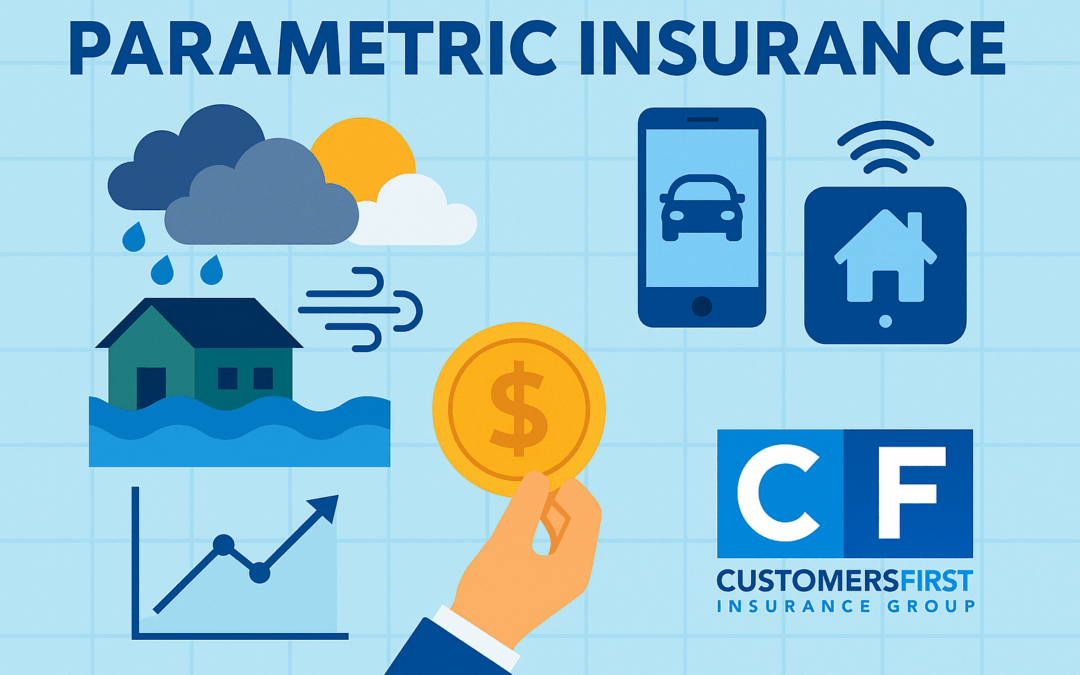
Insurance technology explained
Insurance Is Changing: Parametric, Telematics, and Smart Homes
New data and devices can change pricing and claim processes, but policy terms still decide protection.
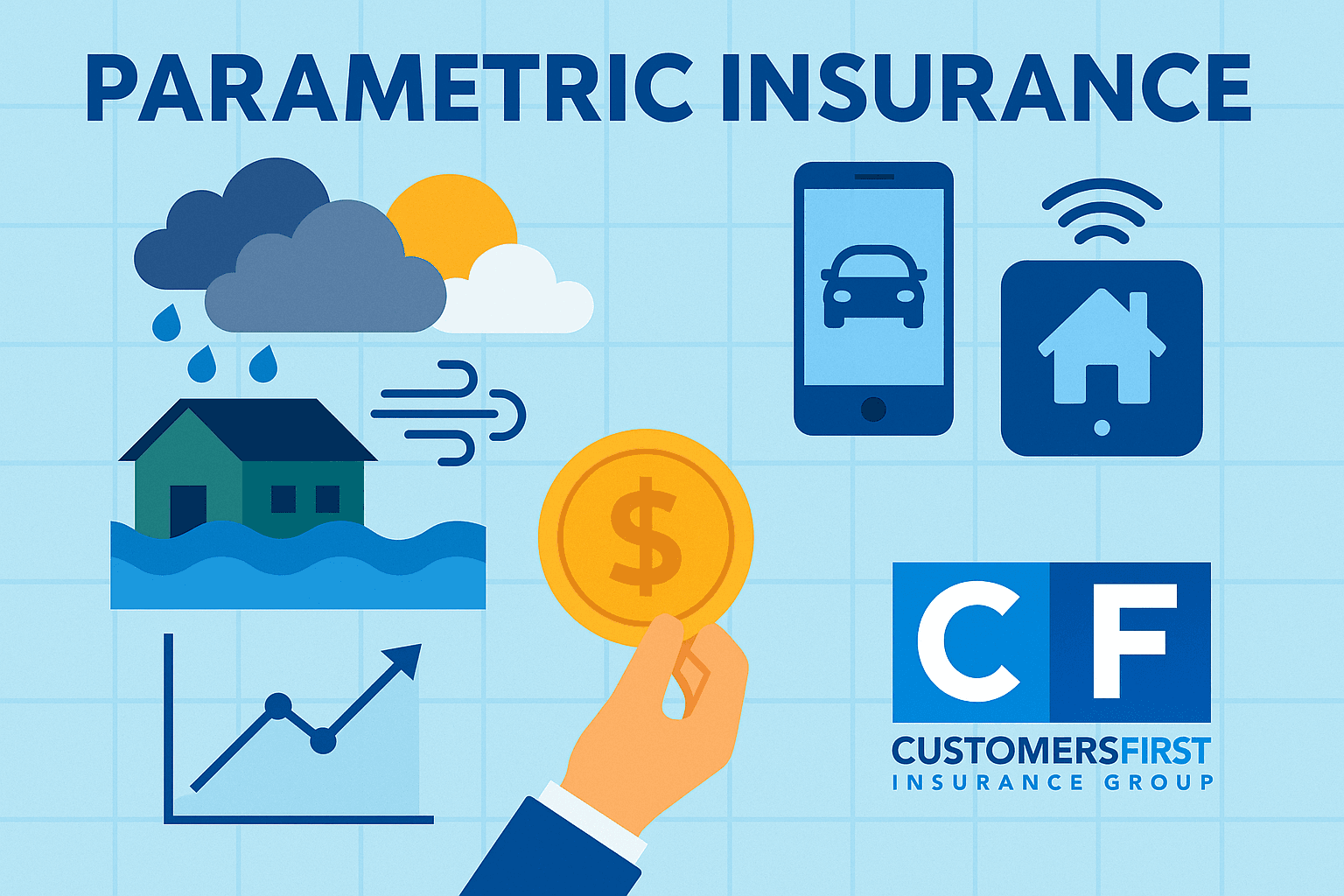
Parametric
Telematics
Smart homes
Read the terms
The short answer
Parametric insurance pays a specified amount when a contract’s measurable trigger is met, even though the actual loss may differ. Telematics uses driving data in an insurer’s rating program. Smart home devices can help prevent or detect losses. Availability, price effect, privacy, and claim rules vary; a device alert alone does not automatically create insurance coverage.
Why It Matters
The original article introduced three useful ideas: event-triggered coverage, driving behavior data, and loss-prevention devices. It also suggested that sensor data could automatically qualify a water leak for reimbursement and that telematics reliably produces a large discount. Neither is a general insurance rule. A sensor may alert you or earn a carrier-specific discount, but a water claim still must satisfy the issued policy. A telematics program may affect renewal pricing in ways its enrollment terms describe.
The NAIC explains that parametric insurance has “basis risk”: the agreed trigger and the actual loss may not align. Its telematics overview describes devices and apps used in usage-based pricing. These tools can be valuable when the customer understands what data is used and what the contract pays.
For Michigan families and businesses, a faster or simpler process is useful, but it should complement a sound home, auto, or commercial policy. Ask whether a parametric product supplements traditional property coverage and whether telematics fits your driving and privacy preferences.
What is parametric insurance?
A parametric contract defines an objective event and a payment in advance. Examples could use measured wind speed, rainfall, or earthquake intensity from a specified data source and location. If the trigger is met and all conditions apply, the policy pays the agreed amount without valuing every item of physical damage in the traditional way.
Where the mismatch can happen
A damaging storm may miss the trigger and produce no parametric payment. A trigger may also occur when the policyholder’s actual damage is modest. Review the measurement station, radius, threshold, waiting rules, and payment schedule. Parametric products are specialized and may not be available or appropriate for every homeowner.
How telematics can affect auto insurance
A phone app or vehicle device may measure mileage, time of day, braking, acceleration, or other driving data. Insurers use different scoring and rating methods. Before enrolling, ask what is collected, who can access it, whether participation can increase a later rate, and whether all household drivers must participate.
Do not treat an advertised “up to” discount as your expected savings. Compare the final quote and program terms with a conventional policy. For a broader comparison, see our Michigan auto rate guide.
What smart home devices can and cannot do
Water sensors, automatic shutoff devices, monitored alarms, and smoke detection can warn of trouble early. That may reduce the size of a loss and may qualify for a discount with some carriers. A sensor cannot guarantee that a pipe will not burst or that the insurer will pay a particular claim. The cause, exclusion, maintenance, deductible, and limit still matter.
Ask whether the insurer requires professional monitoring, a specific device, or proof of installation for a discount. For water damage, review flood and water-backup differences.
Questions before adopting a new program
- What event or behavior determines payment or price?
- Which data is collected, stored, or shared?
- Can the premium increase or a discount disappear later?
- How does the product interact with my existing policy?
- What exclusions, thresholds, and proof requirements apply?
- Is the proposed device or product available for my Michigan property or operation?
Frequently asked questions
Does parametric insurance replace homeowners coverage?
Usually it serves a defined event or financial need. Compare it with your existing property policy and any gaps; do not assume it replaces broad repair coverage.
Will telematics always lower my premium?
No. Savings and rating consequences depend on the insurer’s rules and your data.
Does a water sensor guarantee a covered claim?
No. It may prevent or reduce damage, but the insurance contract and loss facts still control coverage.
Are these tools available to every customer?
No. Availability varies by carrier, state, property, vehicle, and business exposure.
Use technology with clear coverage
Customers First Insurance Group can help you evaluate available Michigan options and understand the underlying policy. Request a quote or contact our team.
General educational information. Product availability, data practices, rates, and claim payment depend on current program and issued policy terms.