

Customers First Insurance Group: practical insurance guidance • format updated August 2026
Insurance education • Michigan independent agency
Knob and Tube Wiring Insurance: What Homeowners Should Know
Knob and tube wiring insurance can be difficult to obtain.
No equipment ground
Age and deterioration
Unverified alterations
Carrier rules vary
The short answer
Active knob and tube wiring can make homeowners insurance harder to obtain because of age, alterations, and fire or shock concerns. Before buying or renewing, have a qualified electrician assess the system, disclose the findings, and compare insurers’ inspection or replacement requirements.
Why Knob and Tube Wiring Insurance Is Harder to Find
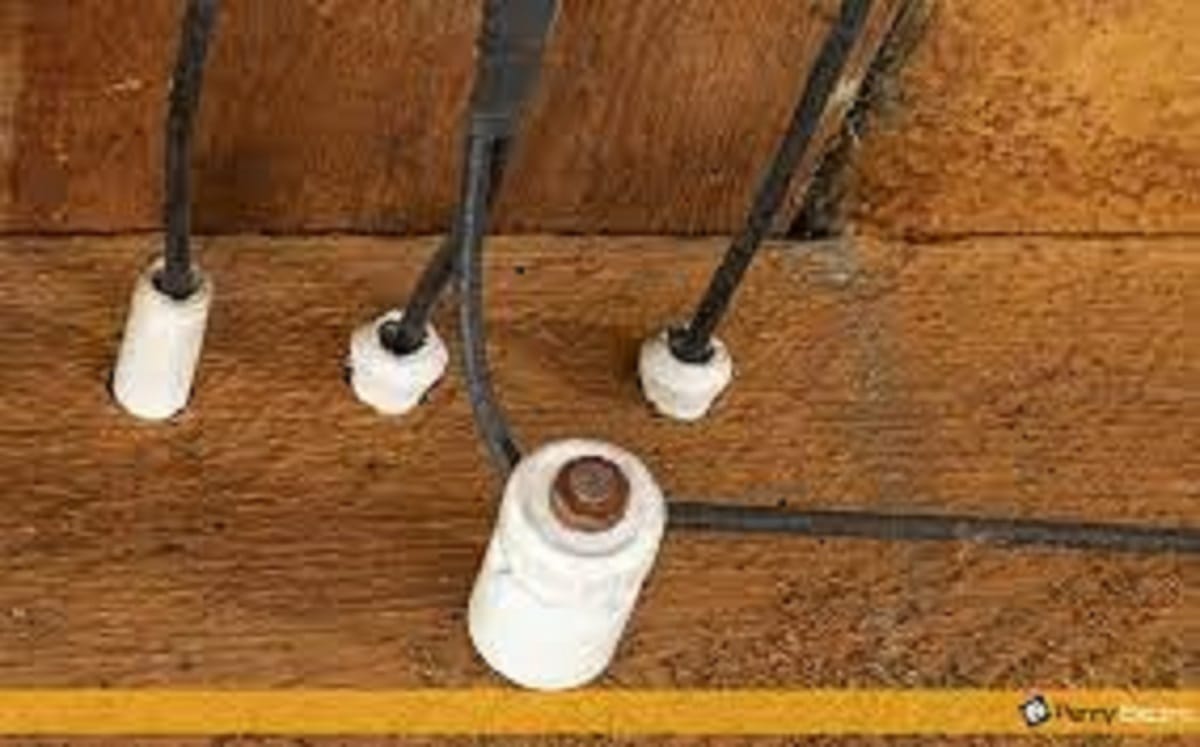
Knob and tube wiring was commonly installed in homes from the late 1800s into the early 1900s. The system uses separate hot and neutral conductors supported by porcelain knobs and protected by porcelain tubes where wires pass through wood framing.
At the time, it was a recognized wiring method. Today, insurers evaluate it in the context of modern electrical demand, decades of deterioration, and repairs that may not have been completed by a qualified electrician.
Knob and Tube Wiring Insurance and Grounding
Original knob and tube wiring usually does not include an equipment grounding conductor. Therefore, it may not offer the same protection expected for modern three-prong receptacles, appliances, surge protection, and sensitive electronics. A three-prong outlet alone does not prove that a circuit is properly grounded.
Aging Insulation and Heat
Wire insulation can dry out, crack, or become damaged over time. In addition, knob and tube wiring was designed to release heat into open air. Covering active wiring with building insulation can interfere with that heat dissipation and may violate applicable requirements.
The Electrical Safety Foundation International’s guide to home wiring systems explains that knob and tube wiring is ungrounded and can be more vulnerable to age and faulty renovations.
Alterations Can Create the Biggest Concern
Often, the original wiring is only part of the story. Over many decades, homeowners or contractors may have added circuits, changed fuses or breakers, installed improper splices, or connected newer wiring to the older system. Consequently, an insurer may want evidence that a licensed electrician has evaluated the entire system—not just the visible porcelain knobs.
Electrical Fire and Shock Exposure
Insurers price the possibility and severity of future claims. Electrical fires can create major property losses, while an ungrounded or improperly altered system can create shock concerns. The U.S. Consumer Product Safety Commission’s home wiring safety resources provide additional guidance about recognizing household electrical hazards.
Inspection May Be Required
Partial Updates May Not Be Enough
Can You Insure a House With Knob and Tube Wiring?
Sometimes, but the answer depends on the carrier, the home’s location, the amount of active knob and tube wiring, and the condition of the electrical system. Knob and tube wiring insurance rules are not identical across companies.
1. Most Insurers Will Decline the Risk
Most standard carriers will not write a new homeowners policy if active knob and tube wiring is present. Others may allow a limited amount only when it passes a licensed electrician’s inspection or when the homeowner agrees to replace it within a stated period.
2. Some Insurers May Add Conditions
For example, an insurer may require proof of rewiring, updated overcurrent protection, correction of improper connections, or confirmation that insulation is not covering active wiring. Requirements can change, so obtain the carrier’s answer in writing when possible.
3. Specialty Coverage May Be Available
If standard options are unavailable, a specialty or surplus-lines market may be considered. These policies can serve difficult-to-place properties, but terms, exclusions, deductibles, pricing, and consumer protections may differ. Therefore, compare the actual policy rather than assuming specialty coverage is automatically better or worse.
4. Replacement Often Creates More Options
Replacing active knob and tube wiring with a permitted modern system may improve safety and expand the number of insurers willing to consider the home. However, insurance eligibility should never be the only reason for electrical work. A licensed electrician should recommend the appropriate scope based on the system’s condition and applicable codes.
Before Buying a Home With Knob and Tube Wiring
Get an Electrical Inspection
First, hire a qualified, licensed electrician who understands older homes, not a generic home inspector. Ask which circuits remain active, whether improper alterations exist, whether insulation covers the wiring, and what a safe repair or replacement plan would cost.
Request Insurance Quotes Before Closing
Next, do not assume the seller’s current policy can be transferred to you, it likely cannot. Contact an independent agent early, disclose the wiring accurately, and provide inspection documents. A last-minute insurance problem can affect closing, escrow, and lender approval.
Budget for the Full Scope
Rewiring costs can involve more than replacing conductors. Walls or ceilings may need access, the panel may need work, outlets may need grounding, and permits or inspections may be required. In addition, cosmetic repairs may be separate from the electrician’s estimate.
Compare Coverage, Not Just Premium
A quote is only useful if you understand what it covers. Review deductibles, roof and water provisions, electrical exclusions, replacement-cost terms, and any repair deadline. You may also want to review the difference between special and broad perils in homeowners insurance.
Knob and Tube Wiring Insurance FAQs
Is knob and tube wiring illegal?
Its presence in an older home does not automatically mean it is illegal. However, alterations, extensions, insulation contact, local rules, and the condition of the installation can create code or safety issues. Ask the local authority and a licensed electrician about the specific home.
Will every insurance company reject knob and tube wiring?
Not necessarily. Underwriting rules vary. Most companies decline it, while others may consider the home after an inspection, repairs, or full replacement.
Does a new breaker panel mean the old wiring is gone?
No. A panel can be newer while older branch circuits remain active inside walls, ceilings, and attics. Therefore, verify the wiring throughout the home.
Can I buy insurance and replace the wiring later?
Possibly. Some insurers allow a repair period, while others require replacement before coverage is bound. Confirm the deadline, documentation requirements, and consequences of missing the deadline. Carefully read the application you are signing to ensure there aren’t any questions regarding knob-and-tube wiring. If there are, ensure the question is answered accurately, because I didn’t read the application I signed is not going to help when the company denies a claim.
Should I rely on a general home inspection?
A home inspection is useful, but an electrician can provide a more detailed evaluation of the electrical system. For insurance purposes, ask the carrier exactly what form of documentation it will accept.
Will rewiring guarantee lower insurance premiums?
No. Rewiring may improve eligibility and safety, but premiums depend on many other factors. These include location, rebuilding cost, roof condition, claims history, coverage limits, and the insurer’s pricing model.
Need Help Insuring an Older Home?
Customers First Insurance Group can help you understand carrier requirements, compare available policies, and plan the insurance side of an older-home purchase.
Michael Vereecke, CLCS
Agent/President, Customers First Insurance Group
586-221-6870
Have questions about your coverage?
Customers First Insurance Group can help you review the details, compare options, and make an informed insurance decision without pressure.
Customers First Insurance Group. This article provides general educational information, not legal advice or a coverage determination. Coverage, eligibility, pricing, and claim outcomes vary by policy, insurer, facts, and applicable law. Read your policy and consult a licensed insurance professional about your situation.